
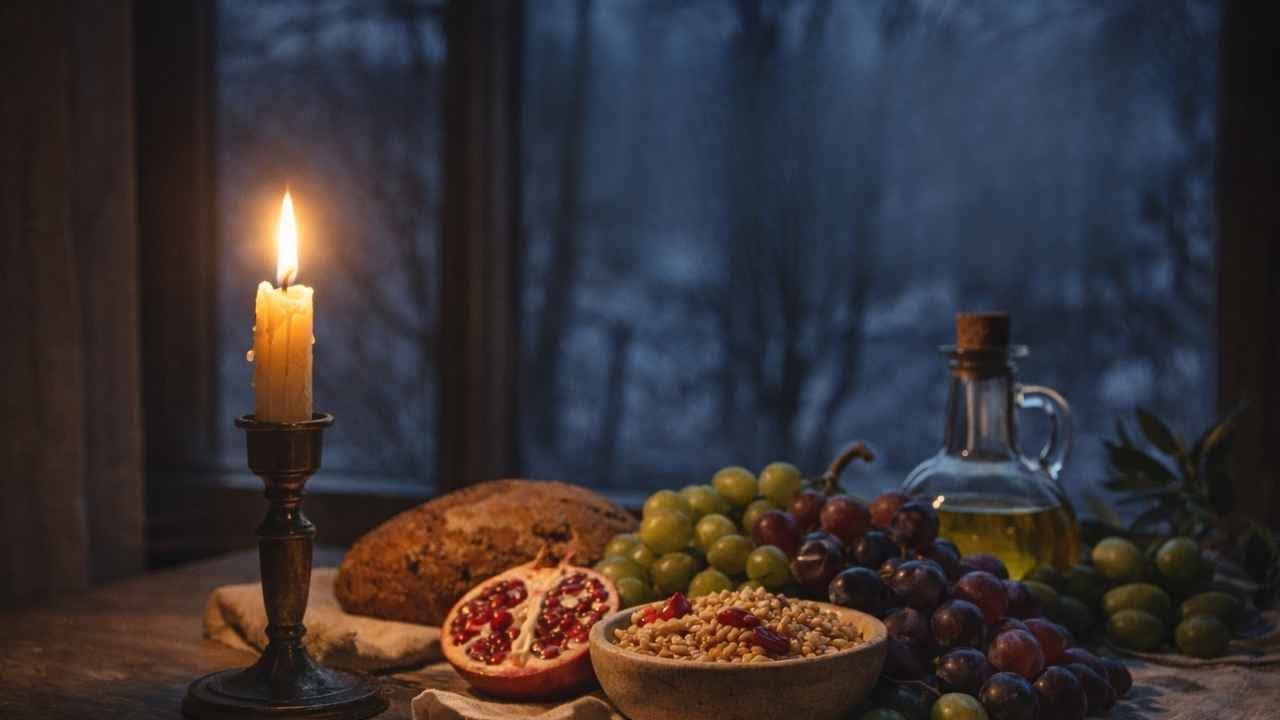
After the Candles Go Out: Tevet and the Work of Becoming the Light


Tevet: A Quiet Month with a Hidden Light
The Jewish calendar is not merely a way of measuring time; it is a spiritual map of our personal lives throughout the year. Each month carries a distinct focus, theme, and invitation for inner growth. Tevet, the winter month that follows Kislev, is often perceived as a quiet and even somber month as it sits in the middle of the coldest and darkest part of the winter.
Yet Tevet holds a powerful secret: it is illuminated and fueled by the lingering light of Hanukkah.
Although Hanukkah begins in Kislev, its final two days are in the month of Tevet, making it the only Jewish holiday to span two different months. And this year, like most years, Tevet straddles two separate years, 2025 and 2026. These two facts combine to teach us that light does not end when celebration fades nor is it confined to neat organizations of time—it is meant to continue to influence our ordinary everyday lives and inspire how we live our lives.
The Call to Bring Light Into the World
Tevet comes at the darkest time of the year, with its short days and long nights. And Hanukkah takes place specifically at this time not only to shine light into the world, but also to show us the importance of bringing more light into the world on our own.
For 8 nights we lit the lights, we stood by the lights, we marvelled at their beauty.
Now with Hanukkah coming to a close, we are charged with the task of lighting different kinds of lights–through acts of kindness and compassion, justice and mindfulness.
One of the best and most effective ways of doing this is through making food choices that go beyond personal pleasure and take into consideration the lives and experiences of other creatures; aligning our diets and lifestyles with the ancient Jewish values of animal welfare and environmental responsibility.
At Jewish Vegan Life, we see this month as an opportune time to consider the impact of what we eat on the world. Aligning our food choices with core Jewish values such as compassion, justice, and responsibility is a powerful way to connect to the spirit and lesson of Tevet. Choosing a plant-based diet recognizes that our everyday actions matter. In fact, they are the only things that will truly change the world and steer it in a more positive and just direction.
Seeing the Light in a Dark World
But Hanukkah helps us in another way as well. It accustoms us to seeing light and motivates us to see the light, the beauty, the goodness that is already in the world.
True, the world can seem dark at times. We humans don’t always live up to our highest potential and we still live in a world where evil, selfishness and suffering exists.
But Judaism teaches us that no matter how much darkness there is and no matter how far it seems at times that humanity is from its intended goal, there is still a lot to celebrate and there is a lot that is already good in the world. Good people, good actions, good initiatives and positive change. It is in our best interest, and in the best interest of the world, that we accustom ourselves to this fact in order that we don’t descend into despair or lose our faith and belief that the world can indeed improve.
This is a strong theme of the month of Tevet and is also the essence of the weekly Shabbat–taking one day to stop working and stop trying to fix the world and, instead, rest and take notice of all that is good in the world, all that is beautiful, and celebrate it.
And when we do, we are motivated by the goodness we see to amplify the goodness in the world even more.
The Power of Small Acts of Kindness
This is another major theme of Hanukkah symbolized by the lighting of a new light each night and can act as a strong motivation to search each day for one act of kindness, of compassion, that we can do. One “light” that we can light. On its own one act or one light might not seem significant, but collectively altogether these actions have a tremendous power and ability to transform the world.
In Kabbalistic thought, Kislev and Hanukkah represent divine light descending suddenly into the world—a gift illuminating darkness without much effort on our parts.
Tevet, by contrast, is about integration. It is the work of carrying that light forward after the miracle ends. By the third day of Tevet the candles are no longer shining. And now comes the real test of taking the illumination and inspiration of Hanukkah and living it in our everyday lives.
The last two candles of Hanukkah—lit in Tevet—teach us that spirituality must move from the miraculous to the mundane and that we must move from being shown the light to creating the light.
Light, Consciousness, and Responsibility
In Jewish mysticism, light represents consciousness, compassion, and divine presence. Darkness is not actually evil; it is the concealment of the inherent goodness built into Creation. Tevet is a month of concealment, when divine light is less obvious and must be actively uncovered through our actions.
This is why Tevet is associated with discipline, restraint and responsibility. Spiritually, it asks: How will you live now that the miracle has passed?
One of the most powerful ways we answer that question is through how we eat.
Judaism has always understood eating as a sacred act. Blessings before and after meals remind us that food is not merely fuel, but a bridge between heaven and earth. In Kabbalah, every physical object contains divine sparks waiting to be elevated through conscious use. Eating mindfully is one of the primary ways we release those sparks.
A plant-based diet aligns deeply with this spiritual framework and in this sense, plant-based eating is a continuation of Hanukkah’s light into Tevet—not through candles, but through conscious actions and choices.
The miracle of Hanukkah centered on only lighting with pure oil. The Maccabees refused to light the menorah with oil that had been defiled, even though Jewish law would have permitted it in a state of emergency.
We know that food shapes consciousness. Judaism, like science, teaches that we are what we eat.
Eating animals that were forced to live lives of pain and suffering can dull spiritual sensitivity. In contrast, eating foods that avoid causing harm to animals can help refine the soul. A plant-based diet reflects the Hanukkah commitment to purity—not perfection, but intention.
Carrying the Light Through Tevet
Tevet teaches us that it’s in our hands; whether the light is going to continue to shine in the world. Whether the light is going to increase or fade away. Compassion and goodness are not abstract concepts; they are expressed and created through conscious choices. Choosing plant-based foods directly reduces harm to animals, lowers environmental destruction, and supports human health.
In choosing foods that are rooted in life, compassion, and consciousness, we honor the light that began in Kislev and commit to carrying it forward through Tevet and beyond.
May we learn to see our plates as altars, our kitchens as sanctuaries, and our daily choices as opportunities to transform the world.