
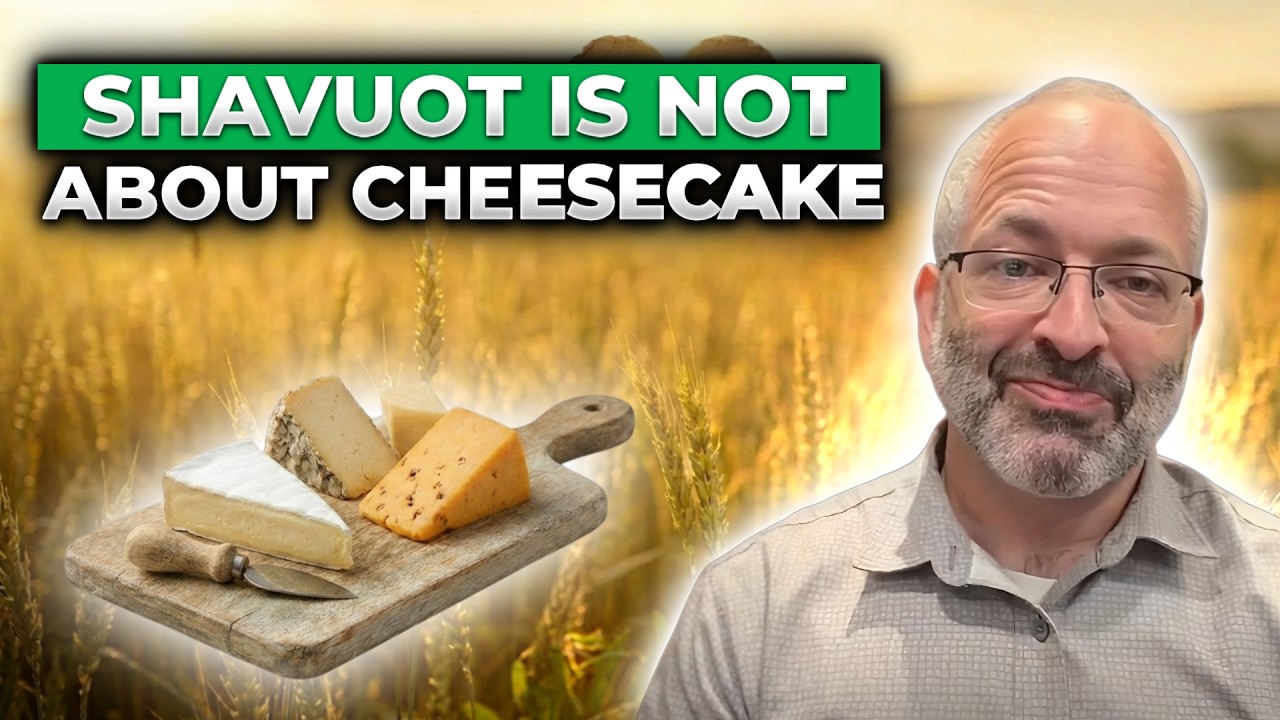



When I was a kid, I loved cheese. Not casually. Not as an occasional snack. I genuinely loved it. I put it on everything. Pizza, pasta, sandwiches. Especially macaroni and cheese, both the boxed kind and, even better, homemade. Looking back, I sometimes think I ate it three times a week without noticing.
Cheese was never only about taste. It was comfort, familiarity, predictability; it felt like home.
At the same time, I was also a child who deeply loved animals.
My room was full of them. Turtles, fish, hermit crabs, cats, even a rat I loved completely. I was sensitive to animals in the way children sometimes are, before the world teaches them to separate love from consequence of our actions. And yet I learned that separation. I learned to love animals and eat animals without fully connecting the two.
The moment the separation broke
I do not remember the exact moment the separation stopped making sense. But I think it happened after a visit to a state fair. Something about being close to the animals themselves created a rupture. The distance collapsed. The contradiction became visible.
Before my bar mitzvah, I became vegetarian. Not because I had a complete philosophy, I did not have it all figured out. But because something no longer sat right inside me. I could not fully reconcile compassion for animals with participating in their suffering.
Though even after becoming vegetarian, cheese remained. And it stayed for years. Part of me already knew dairy was not as simple as I wanted it to be. I sensed questions I was avoiding. But avoidance is powerful when something is tied to comfort, culture, and identity.
Cheese was everywhere. It was familiar. It was part of how I understood food, family, and even myself.
Many of us experience this same tension in different ways. We recognize when our values begin pressing against our habits. We feel the misalignment. But change is slow, especially when comfort is involved.
Shavuot, food, and memory
I often think about this tension around Shavuot.
Shavuot is deeply connected to food, memory, and tradition. For many Jewish families, it arrives through cheesecake before it arrives through theology. Through blintzes, kugels, and dairy meals prepared year after year. And I understand that beauty.
Jewish memory often lives in the kitchen. Food carries emotion, history, and connection. It links us to grandparents, childhood, and community. Sometimes taste speaks more deeply than words. Food is never just food.
But Shavuot is also the holiday of Sinai. The holiday of revelation. And revelation is rarely comfortable.
The Midrash teaches that every Jewish soul stood at Sinai. Not only those physically present, but every soul across generations. That means revelation is not only a historical moment. In some sense, we are still standing there.
Every generation receives Torah again. Every generation must ask what it means to live ethically in the world as it actually exists.
The hidden cost of modern food systems
Our world has changed dramatically.
Most of us now eat through systems that are largely invisible. The milk on our tables is disconnected from the living beings behind it. Industrial animal agriculture operates on a scale our ancestors could not have imagined.
Its impact reaches far beyond animals. It affects workers, ecosystems, climate, water systems, and vulnerable communities around the world.
What troubles me is not only suffering itself, but how invisible it has become. Distance can numb us. Distance can make it easier not to ask questions.
Judaism repeatedly asks us to resist moral distance. The Torah commands us not to muzzle an ox while it works. Animals rest on Shabbat alongside human beings. The Talmud teaches that a person should feed their animals before feeding themselves.
Again and again, Jewish tradition insists that compassion cannot stop at convenience. Even the Torah’s opening vision reflects this ethic. Before violence enters the human story, Genesis describes a plant-based world:
Behold, I have given you every seed bearing plant and every tree for food.
Only later is meat permitted.
Rav Kook and evolving compassion
Rabbi Abraham Isaac Kook understood this moral movement deeply.
Rav Kook believed humanity evolves spiritually over time, growing toward greater compassion and sensitivity. He imagined a future in which people might return to a more original vision of ethical living rooted in care for all life.
This is not only about diet. It is about consciousness, and about whether spiritual life expands our compassion or narrows it.
For me, becoming vegan did not happen all at once. It happened slowly. Through discomfort, reflection, and the gradual realization that I could no longer avoid certain questions.
Over time, cheese became symbolic. Not because cheese itself was the issue, but because it represented the space where comfort and conscience meet. Where identity and ethics collide, where we begin to realize that living with integrity sometimes requires letting go of what once felt essential.
The invitation to stay awake
I do not believe Shavuot asks us to become perfect. I think it asks something smaller and more difficult: to remain awake. Awake enough to notice when our lives and values no longer align. Awake enough to keep wrestling with difficult questions, to believe that small acts of compassion matter.
Because standing at Sinai today may not mean thunder or miracles. It may mean allowing ourselves to keep evolving.