



A Strange Detail of Yom Kippur
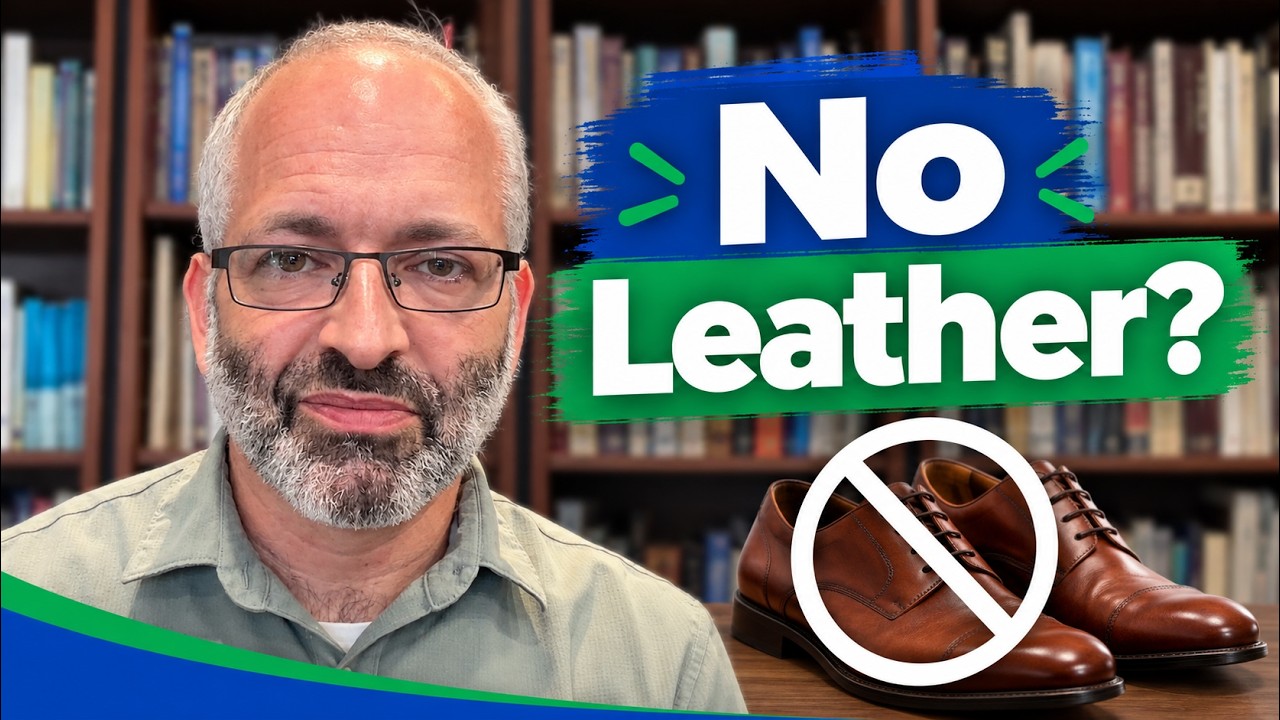
Yom Kippur is unlike any other day of the Jewish year. We fast, spend much of the day in synagogue, refrain from many of our ordinary physical comforts, and even change something as basic as what we put on our feet. We do not wear leather shoes. At first, this can seem like a small and somewhat strange detail in the middle of such an important day. But I think there is something profound about it. Yom Kippur asks us to step away from our normal physical comforts and, in doing so, become more aware of the choices we make and the consequences those choices can have.
As I discuss in the video above, for me, and for other vegans, there is an interesting complication. Vegan shoes can be pretty comfortable too, so simply going without leather does not necessarily create the same physical discomfort that the practice may once have involved. But there is another explanation for the custom that I find particularly powerful: we refrain from leather because an animal had to be killed to produce it. The Rema connects this idea with the themes of Yom Kippur, including grace and compassion. Whether or not this is the only reason for the practice, I find the connection deeply meaningful because it turns something as ordinary as a pair of shoes into an opportunity to think about the life and suffering behind what we consume.
That is one of the things I find so powerful about Jewish practice. It can take an ordinary object or action and make us stop long enough to see it differently. On Yom Kippur, we are already being asked to step outside our routines. We fast. We pray. We examine our behavior. We recite Ashamnu and Al Chet, acknowledging the ways in which we have gone wrong. The day is built around the idea that we should not simply move through life automatically. We are supposed to stop, look honestly at ourselves, and consider what we may need to change.
Looking More Closely at What We Do Not See
This is where the leather shoes of Yom Kippur become more than a ritual detail for me. If we can pause and acknowledge that an animal suffered for something we are wearing, it is worth asking what else we have learned not to see.
Our tradition gives us a language for this kind of examination through cheshbon hanefesh, the accounting of the soul. We ask where we have caused harm, where we have benefited from harm, where we have failed to notice suffering, and where we have allowed distance to make that suffering easier to ignore. These questions can be uncomfortable, but discomfort is not necessarily something we need to avoid on Yom Kippur. In some ways, it is precisely what the day is designed to create.
When it comes to our relationship with animals, these questions do not end with the animals themselves. The systems through which animals are raised and killed can also affect workers, communities, and the environment. People with relatively little economic power can find themselves working inside systems that expose them to difficult conditions. Communities can be affected by pollution and environmental damage. Animals, human beings, and the natural world are not separate spheres. The health and wellbeing of one can affect the others.
We have learned this painfully in recent years. Human health, animal health, and the health of the environment are interconnected. The consequences of the systems we create do not remain neatly contained within one category. When we think about our food, our clothing, and the other things we consume, we are also making choices about the kind of world those systems create.
This does not mean that every individual decision carries the same weight, or that changing our consumption habits by itself can solve every problem. It does mean that Yom Kippur gives us an appropriate moment to become more conscious of connections that are often easy to overlook.
From Guilt to Teshuvah
And this is why I do not think Yom Kippur is simply about feeling guilty. Guilt can be part of honest self-examination, but Judaism ultimately asks more of us than guilt. Teshuvah, repentance, actually means turning and returning. It recognizes that something in our lives has gone off course and asks us to change direction.
The purpose of examining ourselves is not to remain trapped in regret. It is to become capable of doing something differently. If we recognize that our actions have contributed to suffering, the Jewish response is not simply to feel bad about what we have done. We are called to consider how we can turn, repair, and live differently.
Judaism is also clear that we are not supposed to save teshuvah for one day a year. Yom Kippur gives us a concentrated opportunity to stop and pay attention, but the work continues when the fast is over. That is when our choices are tested.
It is relatively easy to reflect on compassion while we are in synagogue, surrounded by the language of repentance, mercy, and forgiveness. The harder question is what happens when we return to our ordinary routines and once again have choices to make. What we do after Yom Kippur tells us whether the self-examination of the day actually changed anything.
Extending Compassion Beyond Ourselves
For me, this is where the connection between Yom Kippur and our treatment of animals becomes especially important. If Yom Kippur asks us to acknowledge the suffering behind leather for twenty-five hours, what does that acknowledgment mean for the rest of the year? What about the animals whose suffering happens far enough away from us that we never have to see it? What about the lives that remain hidden from our view because the systems we participate in are designed to keep that suffering out of sight?
We do not have to respond to these questions with despair. In fact, the entire structure of Yom Kippur suggests the opposite. We are given the possibility of change. We are reminded that our past actions do not have to determine our future actions. Teshuvah gives us a way to take what we have noticed and allow it to change us.
That change can begin with something very simple: paying attention. Paying attention to where our food comes from. Paying attention to the lives affected by what we purchase. Paying attention to suffering that has become invisible because we have become accustomed to it. Paying attention to the ways in which our own comfort can sometimes depend on the suffering of others.
Yom Kippur therefore offers us an opportunity to expand our understanding of compassion. We ask God for forgiveness and mercy, but the day also challenges us to consider how we ourselves can become more compassionate. Rachamim, compassion, cannot remain only something we ask to receive. It can also become something we practice and extend outward, toward other human beings, toward animals, and toward the world we share.
What Happens When the Fast Is Over?
Ultimately, I think the most important question of Yom Kippur is not simply what we feel during the day. It is what we do with what we have noticed.
May this Yom Kippur help us open our eyes not only to the suffering we have caused directly, but also to the suffering connected to the systems and choices we participate in, including suffering whose victims are mostly hidden from our view. And when we notice that suffering, may we have the courage to ask what we are going to do differently.
May our teshuvah, our turning and our repentance, lead not simply to guilt, but to change. May the compassion we seek during these Days of Awe become compassion that we carry into our daily lives. And may the things we notice on Yom Kippur continue to shape the kind of people, communities, and world we are building long after the fast is over.
G’mar Chatimah Tova: May we be inscribed in the Book of Life.