
Transformative Tu B'Shvat
How to use Tu B'Shvat for Tikkun Olam
The Jewish Holiday of Trees, Renewal, and Moral Awakening
Tu B’Shvat, the New Year for Trees, is one of Judaism’s most radical holidays.
It asks us to slow down, pay attention, and remember that life grows gradually through roots we do not see, choices we barely notice, and values we either live by or abandon.
Often described as a Jewish Earth Day, Tu B’Shvat is far more than an environmental awareness moment. It is a spiritual checkpoint, a time when Judaism invites us to reflect on how we relate to the living systems that sustain us: trees, animals, land, water, and ultimately, one another.
Tu B’Shvat and Jewish Values
Tu B’Shvat brings core Jewish ethical teachings into lived practice:
- Bal Tashchit — Do not waste or destroy life unnecessarily
- Tza’ar Ba’alei Chayim — Compassion for animals
- Tikkun Olam — Repairing a broken world through daily acts
- Dor L’dor — Responsibility to future generations
Today, many Jews recognize that a shift toward plant-based living is one of the most effective ways to embody these values in our time.
Tu B’Shvat does not demand perfection. It invites alignment.
The Origins of Tu B’Shvat: Counting Time Through Trees
Tu B’Shvat (which literally means the 15th day of the Hebrew month of Shevat) first appears in the Mishnah (Rosh Hashanah 1:1) as one of the four “New Years” in the Jewish calendar, the New Year for trees. This was the date when fruit could be harvested, or tithed.
Rather than tracking the planting date of every tree, the rabbis established Tu B’Shvat as a shared moment of transition — a reminder that human time is bound to natural time.
Even in its earliest form, Tu B’Shvat carried a profound message: Our lives are inseparable from the health of the land.
From Agriculture to Mysticism: The Tu B’Shvat Seder
In the 16th century, Jewish mystics in Tzfat created spiritual ritual to mark Tu B’Shvat. Drawing on Kabbalistic teachings, they created the Tu B’Shvat seder, modeled on the Passover seder, centered around:
- Conscious eating
- Four cups of wine
- Fruits of the land of Israel
- The Four Worlds of spiritual growth
They believed that creation itself was fractured — that divine sparks were scattered throughout the physical world — and that intentional, mindful actions could help restore wholeness.
Eating, when done with awareness, became a sacred act of tikkun olam, the repair of the world.
Why the Tu B’Shvat Seder is Inherently Plant-Based
Tu B’Shvat is the only Jewish holiday whose sacred meal is traditionally entirely vegan.
Its seder centers on fruits, nuts, wine, grain, and fragrance — foods that require no killing, no violence, and no suffering.
This is not incidental.
The Kabbalists understood that the first moral rupture in human history came through unconscious eating in the Garden of Eden. Tu B’Shvat, they taught, offers a way to repair that rupture through intentional, compassionate consumption.
In a world where animal agriculture is the greatest driver of deforestation, climate instability, and animal suffering, Tu B’Shvat speaks with renewed urgency. It teaches that redemption does not descend from heaven fully formed. It grows. Like a tree.
It asks: If we claim to love trees, what is destroying them? And what kind of humans do we want to be? Will we be consumers of the world, or caretakers of it? In this, Tu B’Shvat offers Judaism’s most natural entry point into a conversation about how we eat, live, and care for our planet.
The Four Worlds of the Seder
The Tu B’Shvat seder guides us through four spiritual worlds, each representing a stage of awareness:
Assiyah — Action
Recognizing the tangible impact of our choices on the earth.
Yetzirah — Emotion
Expanding compassion to include animals and ecosystems beyond our immediate experience.
Beriah — Creation
Reconnecting with beauty, memory, and our sense of belonging in nature.
Atzilut — Spirit
Aligning our eating, values, and lives with our highest spiritual ideals.
Tu B’Shvat does not ask us to leap from one world to the next. It invites us to move one step higher than last year.
How to Celebrate Tu B’Shvat Today
Modern Tu B’Shvat observances often include:
- A Tu B’Shvat seder, guided by the Tu B’Shvat Haggadah
- Planting trees or supporting reforestation
- Eating seasonally and plant-based
- Learning about ethical food systems
- Reflecting on personal and communal responsibility
Whether celebrated in a synagogue, classroom, home, or community center, Tu B’Shvat offers a rare opportunity to unite ritual, ethics, and action.
Get Your Tu B’Shvat Haggadah
A Jewish Ritual for Our Planet
Tu B’Shvat has always asked Jews to look at the world as it is, and as it could be.
The Tu B’Shvat Haggadah is a thoughtfully crafted, spiritually grounded ritual guide that helps you engage Tu B’Shvat not only as the New Year for Trees, but as a profound moment of ethical reflection, ecological responsibility, and Jewish renewal.
Rooted in classical Jewish sources and Kabbalistic tradition, and fully aligned with contemporary concerns for climate, animals, and sustainability, this Haggadah invites you into a Tu B’Shvat seder that is deeply Jewish, fully vegan, and powerfully relevant.
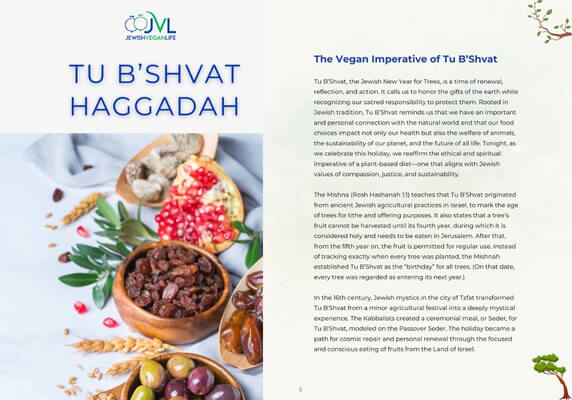
What This Haggadah Offers
A Full Tu B’Shvat Seder Experience
Modeled on the Passover Seder, the Haggadah guides participants through:
- The Four Worlds (Assiyah, Yetzirah, Beriah, Atzilut)
- Four cups of wine or juice
- Fruits and foods symbolizing physical, emotional, creative, and spiritual growth
Each section includes:
- Clear instructions
- Traditional blessings
- Guided meditations
- Accessible Jewish texts
Deeply Jewish. Radically Relevant.
The Haggadah draws on:
- Torah and Midrash
- Kabbalistic teachings from Tzfat
- Jewish values such as bal tashchit (do not destroy), tza’ar ba’alei chayim (compassion for animals), and tikkun olam
It works beautifully for:
- Small, intimate gatherings
- Large communal seders
- Intergenerational settings
- In-person or virtual events
Bring Tu B’Shvat to Life
Use the JVL Tu B’Shvat Haggadah to:
- Deepen Jewish ritual
- Inspire ethical reflection
- Plant seeds of change
Order your JVL Haggadah to celebrate Tu B’Shvat as a holiday of life, responsibility, and renewal.
L’Chayim — to life, for all.
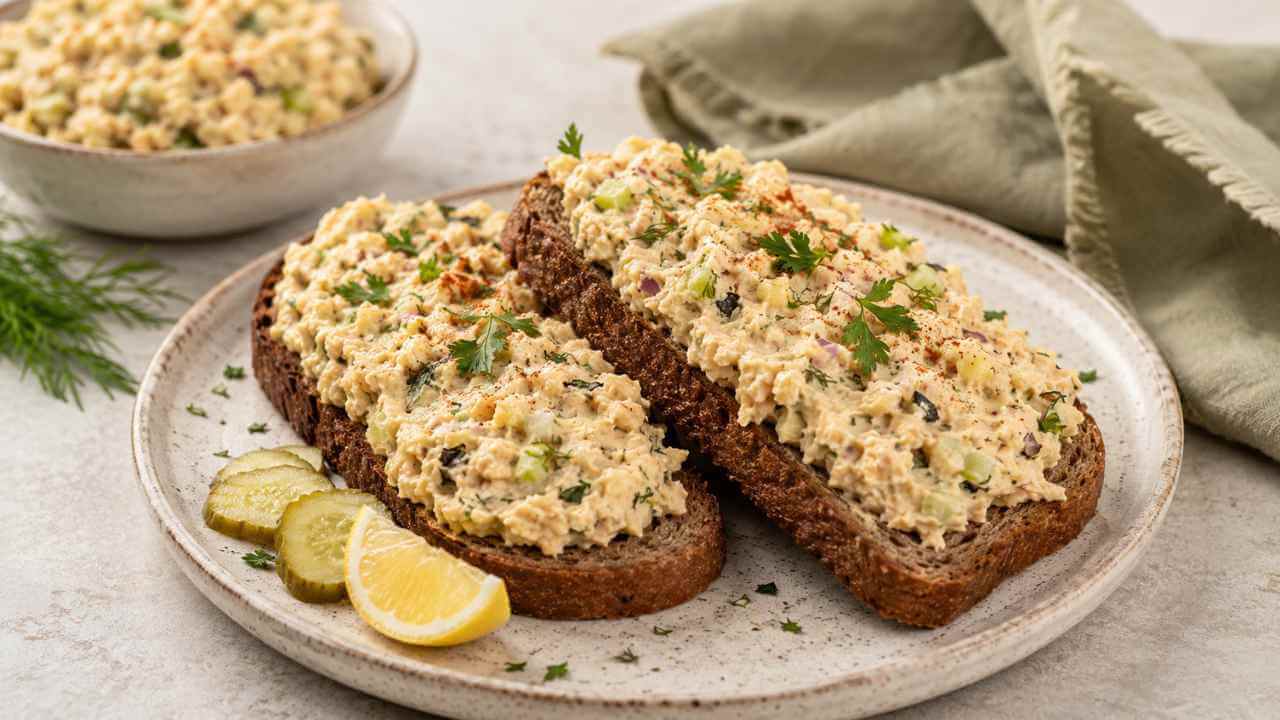
Featured Recipes






Get Ready for Tu B'Shvat with Us
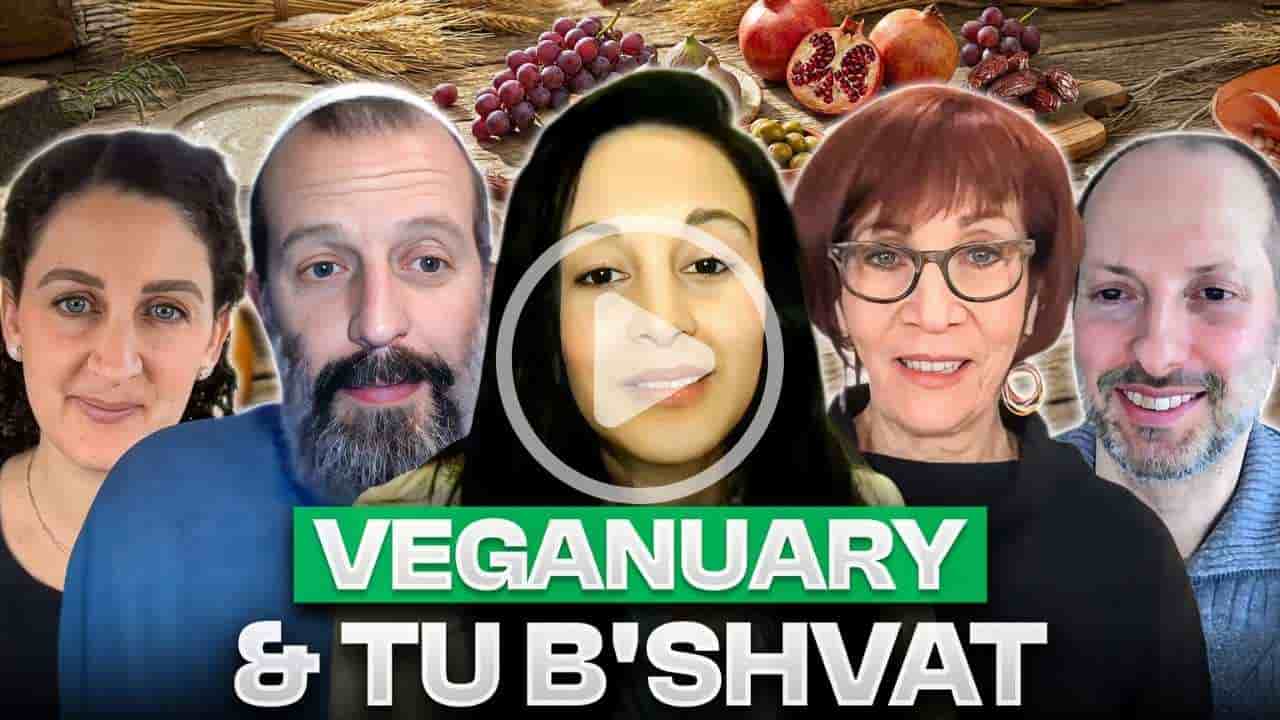
Check out this JVLive conversation on Veganuary and Tu B’Shvat, delving into the mystical significance of the holiday and helping you prepare to celebrate with purpose.
Join Our Tu B'Shvat Events


Featured Stories


What Yom Kippur Asks Us to Notice
The mystery of wearing no leather on Yom Kippur


Transforming the New Year for Animals
Thousands joined JVL's New Year for Animals


What the Donkey Saw
Parshat Balak, Balaam’s donkey, and Jewish teachings on compassion for animals